Recognize possible blooms
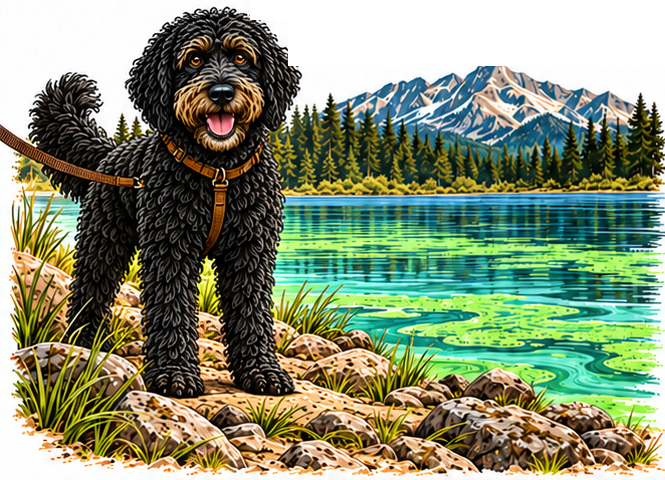
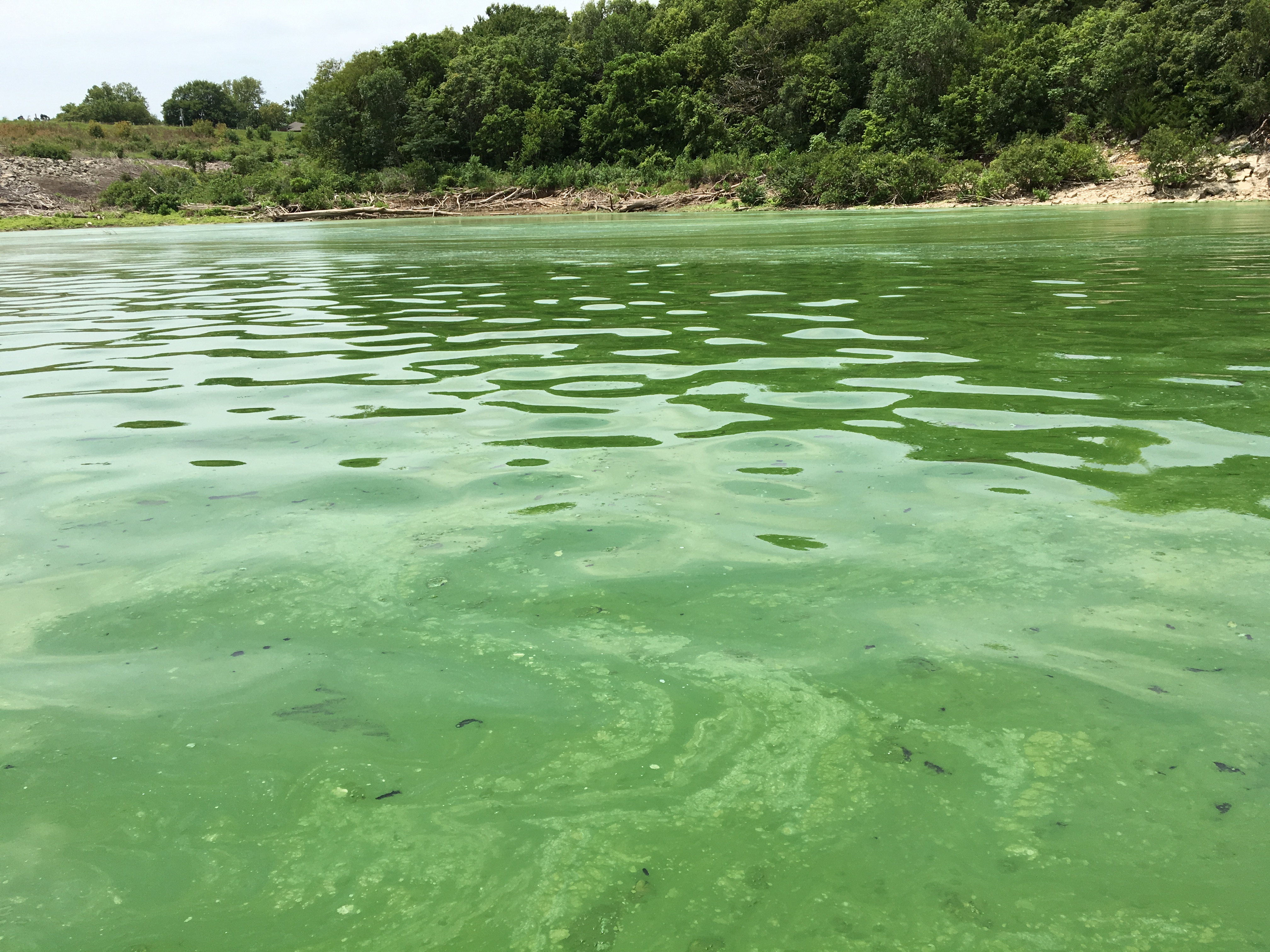
Cyanobacteria, often called blue-green algae, are microscopic organisms naturally present in water. Blooms can discolor water or resemble foam, scum, mats, or spilled paint. Lakes, ponds, and slow-moving fresh water are common settings.
You cannot determine whether a bloom is toxic by its appearance, and a lack of visible scum does not establish that water is safe. Follow local water advisories and closures.
When weather raises the risk
- Warm, sunny weather can help cyanobacteria grow rapidly.
- Calm or slow-moving water can favor bloom buildup. Wind may push surface scum toward one shoreline, so different spots can look different.
- Heavy rain may carry fertilizer or other nutrients into lakes and ponds; sunny conditions afterward can encourage growth.
- Blooms can also appear during cooler periods. Weather alone cannot tell you if water is safe or whether toxins are present.
Check local health or water advisories, keep dogs away from suspicious water, and never use visual conditions as a safety test.
How dogs are exposed
Dogs can swallow toxins by drinking contaminated water, eating algae, or licking contaminated water from their fur. Some toxins can cause severe illness and death within hours to days. A dog does not have to drink a large visible patch of algae to be at risk.
Possible symptoms
- Vomiting or diarrhea
- Excessive drooling or foaming at the mouth
- Low energy or loss of appetite
- Stumbling, falling, tremors, or seizures
- Any unexplained illness after contact with suspect water
Symptoms vary and may appear quickly. This list is not a checklist to wait through: suspected toxic exposure alone warrants immediate veterinary care.
Prevent exposure
- Check current local advisories before visiting a lake, pond, or river.
- Keep pets away from water that looks or smells unusual, and respect posted closures.
- Do not let dogs swim in or drink suspect water, eat algae, or eat dead fish along the shore.
- Bring fresh drinking water and choose another place to walk if water safety is uncertain.
When to call your veterinarian
For suspected toxic algae exposure, contact an emergency animal clinic immediately and seek care without waiting for signs. Tell the clinic where and when the contact happened, whether your dog swam or drank, and any symptoms you have noticed. Follow the veterinarian's instructions.
Source & further reading
CDC — Preventing Pet and Livestock Illnesses Caused by Harmful Algal BloomsSource link checked November 19, 2026. This is a plain-language educational summary, not a diagnosis or a medically reviewed PetDanger article.