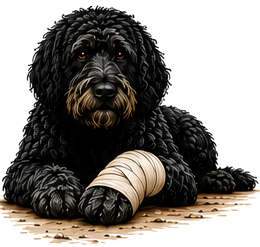
Recognize the hazard
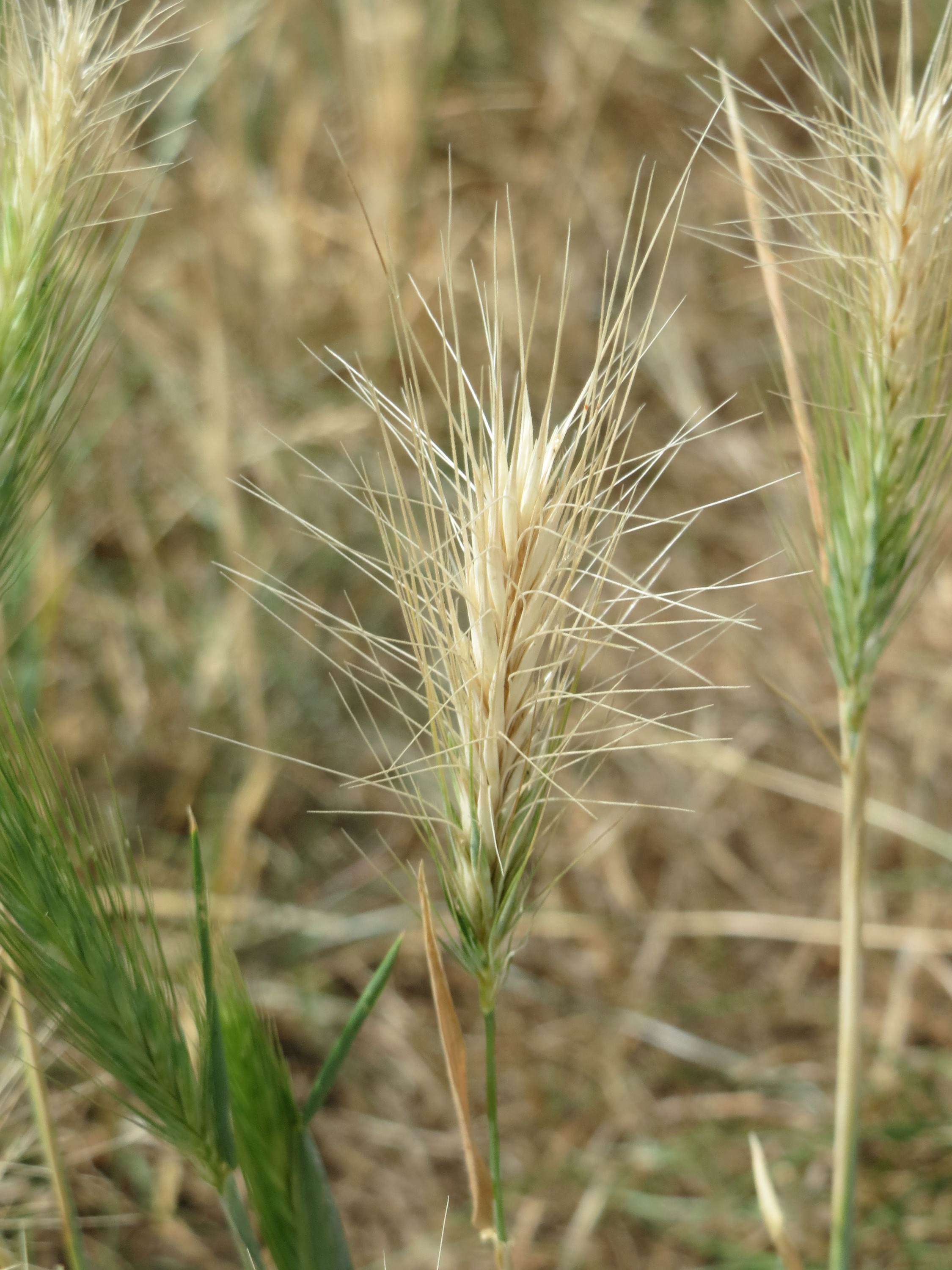
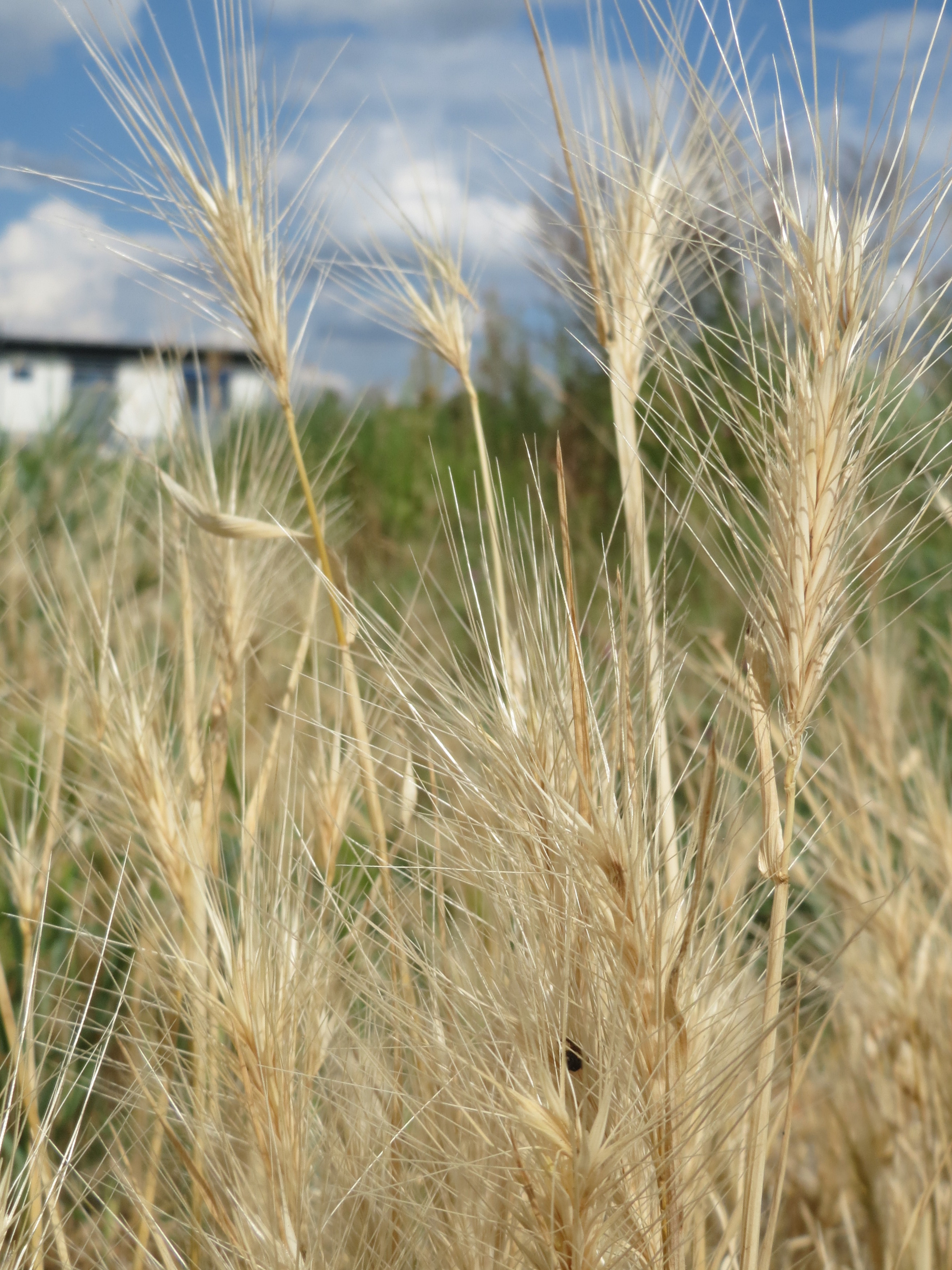
Foxtails are pointed, bristly seed heads from certain wild grasses. Look for them along trails, roadsides, open fields, and in yards. Dry, hardened seed heads are particularly concerning in summer; exposure can happen at other times of year too.
Why they’re risky
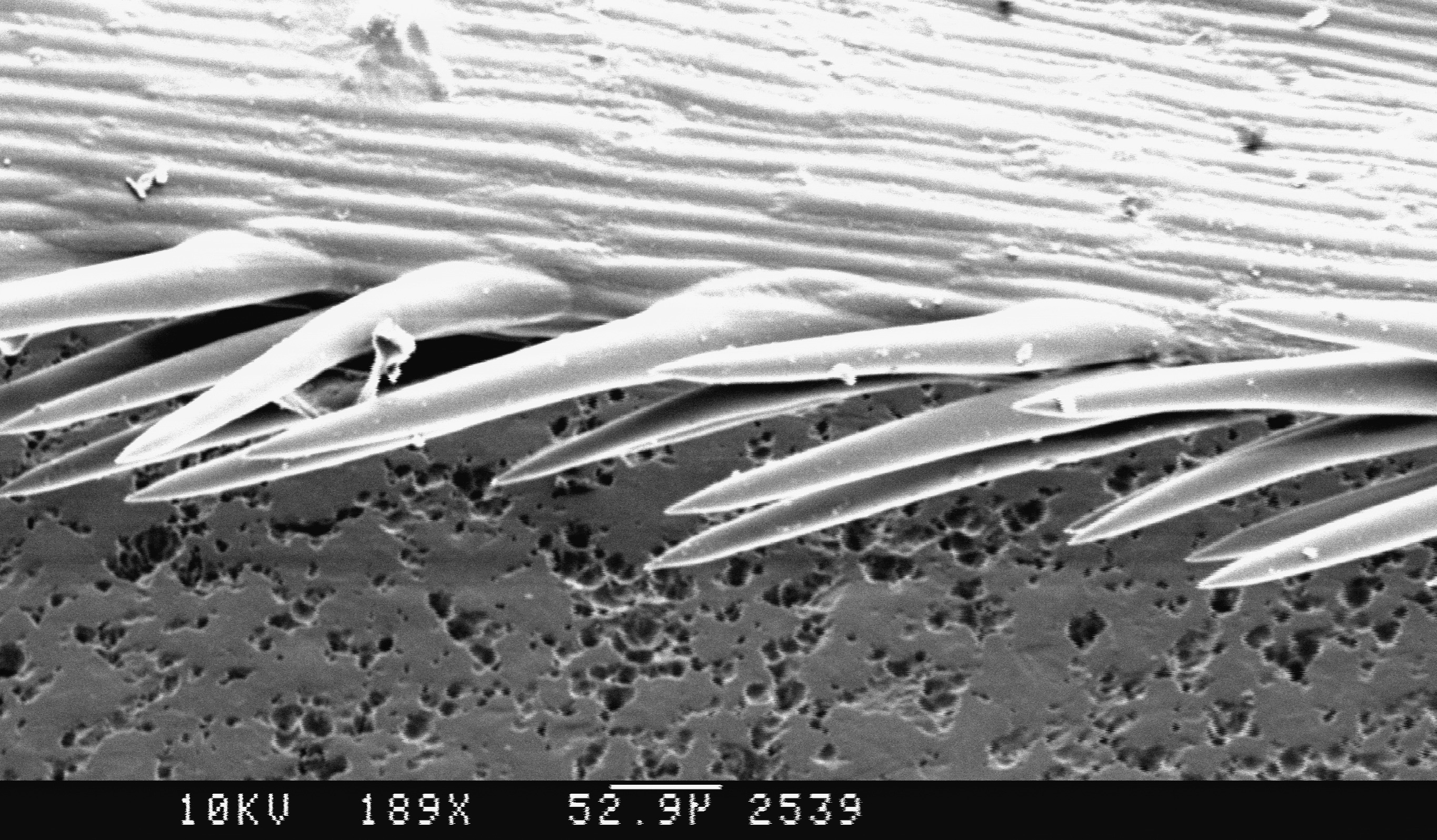
The seed's barbs allow it to work forward through tissue. Seeds may enter the nose, ears, eyes, mouth, or skin, including between the toes. Embedded seeds can cause wounds, abscesses, and infection, and sometimes migrate deeper into the body.
Warning signs
- Persistent sneezing, snorting, nasal discharge, or pawing at the face
- Head shaking, ear scratching, or a tilted head
- Limping or repeated licking of a paw or another specific area
- Squinting, repeated blinking, or swelling around an eye
- Swelling, a sore, low energy, or loss of appetite
These signs can have other causes. A veterinarian needs to assess your dog; symptoms alone do not confirm a foxtail.
Check your dog after every walk
 PawsBetween toes & paw pads
 EarsAround the ears
 EyesAround the eyes
 ArmpitsArmpits & groin
 Beard, tail & furThrough the coat
Inspect paws, between toes, the coat, and around ears after grassy walks. Do not probe an ear, nose, eye, or wound or try to dig out an embedded seed. Removal is a veterinary matter.
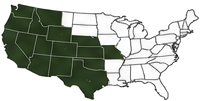
Where are foxtails found?
Foxtails are common in dry grassy areas, especially across the western U.S. They can also occur elsewhere; look at the plants along your route, not just the region on a map.
Reduce the chance of exposure
- Avoid areas with dry, bristly grass seed heads. Choose clear paths and keep your dog on a leash.
- Inspect paws, between toes, the coat, and around ears after grassy walks.
- Keep your yard free of foxtail plants and ask your groomer about coat care that makes seeds easier to spot.
When to call your veterinarian
Contact your veterinarian promptly for persistent sneezing, head shaking, paw discomfort, eye irritation, or swelling after possible exposure. Tell them where your dog has been and when the signs started. Early assessment matters because seeds can move deeper.
Seek emergency care immediately
If your dog has trouble breathing, collapses, or is severely unwell, seek emergency veterinary care immediately. Do not probe an ear, nose, eye, or wound or try to dig out an embedded seed. Removal is a veterinary matter.
Source & further reading
UC Davis School of Veterinary Medicine — Foxtails and DogsSource link checked November 19, 2026. This is a plain-language educational summary, not a diagnosis or a medically reviewed PetDanger article.